
A Guide to British Fall Safety Standards in the Workplace
Falling at work might sound like a simple slip-up, but it can lead to serious injuries and time off. Whether you’re on a construction site or working in an office with stairs and ladders, it’s important to know what rules keep everyone safe. British fall safety standards lay out clear steps employers need to follow to reduce risks. From proper training to the right equipment, these rules help create safer workplaces for everyone. This guide breaks down what those standards actually mean, why they matter, and how they apply in everyday jobs, without all the confusing jargon.
Understanding the Legal Framework
Every employer in the UK has legal duties when it comes to keeping workers safe at height. Two main laws cover this area: the Health and Safety at Work etc. Act 1974 and the Work at Height Regulations 2005.
The Health and Safety at Work etc. Act 1974 lays out general rules for workplace safety. It says employers must do everything they can, as far as is practical, to protect staff from harm while on the job. That includes spotting risks that could cause injury and taking steps to reduce them.
The Work at Height Regulations go into more detail about fall risks specifically. These rules apply whenever someone works where a fall could lead to injury, including roofs, ladders, scaffolding, or even low platforms if there’s still a chance of falling.
Under these regulations, employers need to plan tasks properly before anyone starts working at height. They also have to make sure workers use safe equipment and get proper training for their roles. If there’s a safer way of doing something without climbing or lifting off the ground, then that option should be used first.
Risk assessments play a big part in following both sets of rules. Employers must look closely at each task and figure out what could go wrong. Once they spot hazards, they’re expected to control them with clear steps, like using harnesses or guard rails.
Following British fall safety standards means sticking closely to these legal requirements every day, not just during inspections or audits. Managers must check that systems stay up-to-date as jobs change or new tools come in.
It’s not only about avoiding fines, but it’s also about making sure everyone goes home unharmed after their shift ends. When companies understand these laws clearly, it becomes easier for teams on-site to follow through with safe practices without confusion or delay.
These laws outline responsibilities for ensuring safe working conditions, particularly when employees operate at height
Working at height comes with risks. That’s why there are clear laws in place across the UK to help reduce accidents. Employers have several duties when it comes to keeping people safe while they’re off the ground. These rules come from key regulations like the Work at Height Regulations 2005 and the Health and Safety at Work Act 1974.
Employers must first check if working at height is even needed. If a job can be done from the ground, that option should always come first. When working above ground level can’t be avoided, employers need to plan it properly. This means choosing the right equipment, using trained staff and checking that everything is stable before any task begins.
Supervisors also have a role in making sure workers follow safety steps. They need to make sure harnesses, ladders or scaffolding get checked regularly. Tools must be stored safely so nothing falls on someone below. Workers should also know how to report problems quickly if something looks wrong.
Employees aren’t left out either. They have their own responsibilities under British fall safety standards to protect both themselves and others around them. This includes wearing proper gear, sticking to guidelines and speaking up about unsafe conditions.
These laws don’t just apply to construction sites or tall buildings either – they cover warehouses, factories or even offices where people might use ladders or platforms during tasks.
By following these legal duties closely, businesses lower their risk of injury claims or inspections from regulators like the Health and Safety Executive (HSE). It’s not just about ticking boxes – it’s about making sure everyone gets home without harm after their shift ends.
Understanding who needs to do what helps stop confusion on site and keeps daily jobs running without delays caused by accidents or missed checks.
Key Components of British Fall Safety Standards
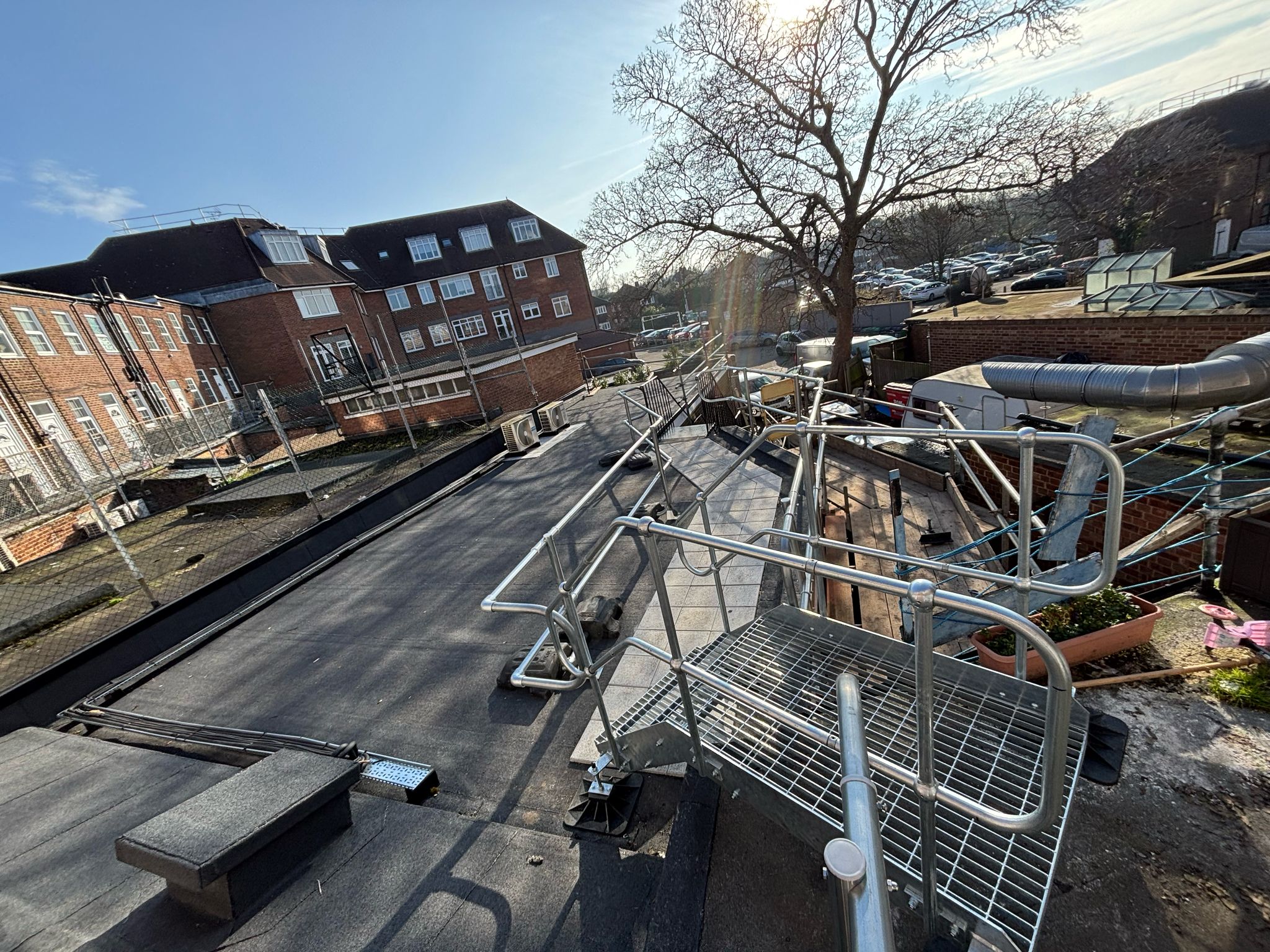
Fall safety standards focus on three main areas: equipment, training, and procedures. Each plays a role in helping workers stay safe while working at height or near edges.
First, the right equipment must be used. This includes harnesses, guardrails, ladders, and scaffolding. All gear needs to meet legal requirements. It should also be checked often to make sure it still works as expected. Damaged or worn items should be taken out of use straight away. Employers must provide this gear without asking staff to pay for it themselves.
Next is training. Every worker who might face a risk from falling needs proper instruction before starting any tasks. Training should cover how to use safety tools correctly, how to spot hazards around them, and what steps to take if something goes wrong. Short refreshers now and then help keep this knowledge fresh.
Procedures matter just as much as gear or lessons. Employers have to put clear rules in place that explain how jobs at height will be done safely. These might include steps like checking surfaces before stepping on them or always using a harness when above ground level. Risk assessments must happen before any job begins so dangers can be spotted early.
Regular checks need to take place across all three areas, tools, skills, and routines, to make sure nothing slips through the cracks over time. Updates may also be needed if laws change or new risks appear on site.
Following British fall safety standards helps reduce harm at workplaces by setting up solid steps for everyone involved, from managers down to new starters, so they know what’s expected of them each day they’re on the job.
Risk Assessment and Planning
Before starting any task that involves working at height, it’s important to take a step back and look at what could go wrong. This is where risk assessment comes in. It helps spot dangers before someone gets hurt. Employers have a legal duty to carry out these checks under British fall safety standards.
The first step is to look closely at the job. What tools will be used? How high is the task? Are there edges, gaps or fragile surfaces nearby? Once these questions get clear answers, it becomes easier to see where problems might pop up.
After spotting the risks, the next move is putting control steps in place. These steps might include using guardrails, nets or personal protective gear like harnesses. Sometimes it means changing how the job is done altogether, maybe using equipment that keeps feet on solid ground instead of climbing.
Writing down the plan matters too. A proper safety plan lists what needs to be done, who’s doing it and how they’ll stay safe while working at height. It should also explain what happens if something goes wrong, like who gives help or alerts others.
Everyone involved needs to understand this plan clearly. That means giving simple instructions and checking that people know how to use their gear. Training plays a big part here as well; it teaches workers what signs of danger to watch for and how to respond fast if needed.
Using proper planning doesn’t just tick a box; it sets things up so fewer mistakes happen later on. When teams follow a clear process from start to finish, tasks get done with less chance of harm or delay. Risk assessments aren’t just paperwork; they’re tools that keep people safe day by day on real jobsites across Britain.
Training and Competency Requirements
Every person working where there’s a risk of falling needs to know how to stay safe. That means proper training is not optional. It’s something employers must arrange before anyone starts using fall protection gear. Workers should understand how harnesses, lanyards, anchors, and other tools function. They also need to know when and where to use them.
Learning doesn’t stop after the first session. Regular instruction helps people keep their knowledge up to date. This includes refreshers on checking equipment for signs of damage or wear and knowing when it needs replacing. Some workers may forget small but important steps if they don’t practise often.
Employers have a duty to check that staff can actually apply what they’ve learned. Watching someone put on a harness correctly is part of this process. Supervisors might also ask questions during tasks or run short drills now and then.
British fall safety standards highlight the importance of being competent rather than just trained once. A certificate from five years ago won’t mean much if someone hasn’t used the equipment since then. Workplaces should create simple systems for tracking who has completed courses and when new sessions are due.
Temporary staff, contractors, or visitors doing risky jobs must be included, too. Everyone working at height or near edges should receive clear instructions tailored to their role before starting anything hands-on.
Having people with different levels of experience on site makes ongoing supervision even more important. New starters might need extra support while learning the ropes from others who’ve done it longer.
Keeping things straightforward helps everyone stay alert and focused while doing their job safely on-site every day.
Staying Safe at Height: Why Getting It Right Matters
As we’ve explored, understanding the legal framework and key components of British fall safety standards is essential for creating safer workplaces. From thorough risk assessments to proper training and competency checks, each element plays a vital role in preventing accidents and protecting employees. Employers have a clear responsibility to implement these measures and ensure their teams feel confident and secure when working at height. By staying informed and proactive, businesses not only comply with regulations but also build a culture where safety comes first. Because when it comes to falls, prevention really is better than cure.
Share This Story, Choose Your Platform!
About the Author: admin