Mansafe System or Guardrails? Choosing the Right Roof Fall Protection
If you are responsible for a building with people working on or near its roof, one question sits above all others: how do you stop someone falling? In UK roof safety there are broadly two answers, and choosing between them shapes your budget, your compliance and the day-to-day safety of everyone who goes up there. On one side sits collective protection such as guardrails; on the other, personal fall protection built around a mansafe system. Getting the choice right matters, and it is rarely as simple as picking the cheaper option. This guide explains how the two compare and how to decide what your building actually needs.
Understanding The Two Approaches To Roof Safety
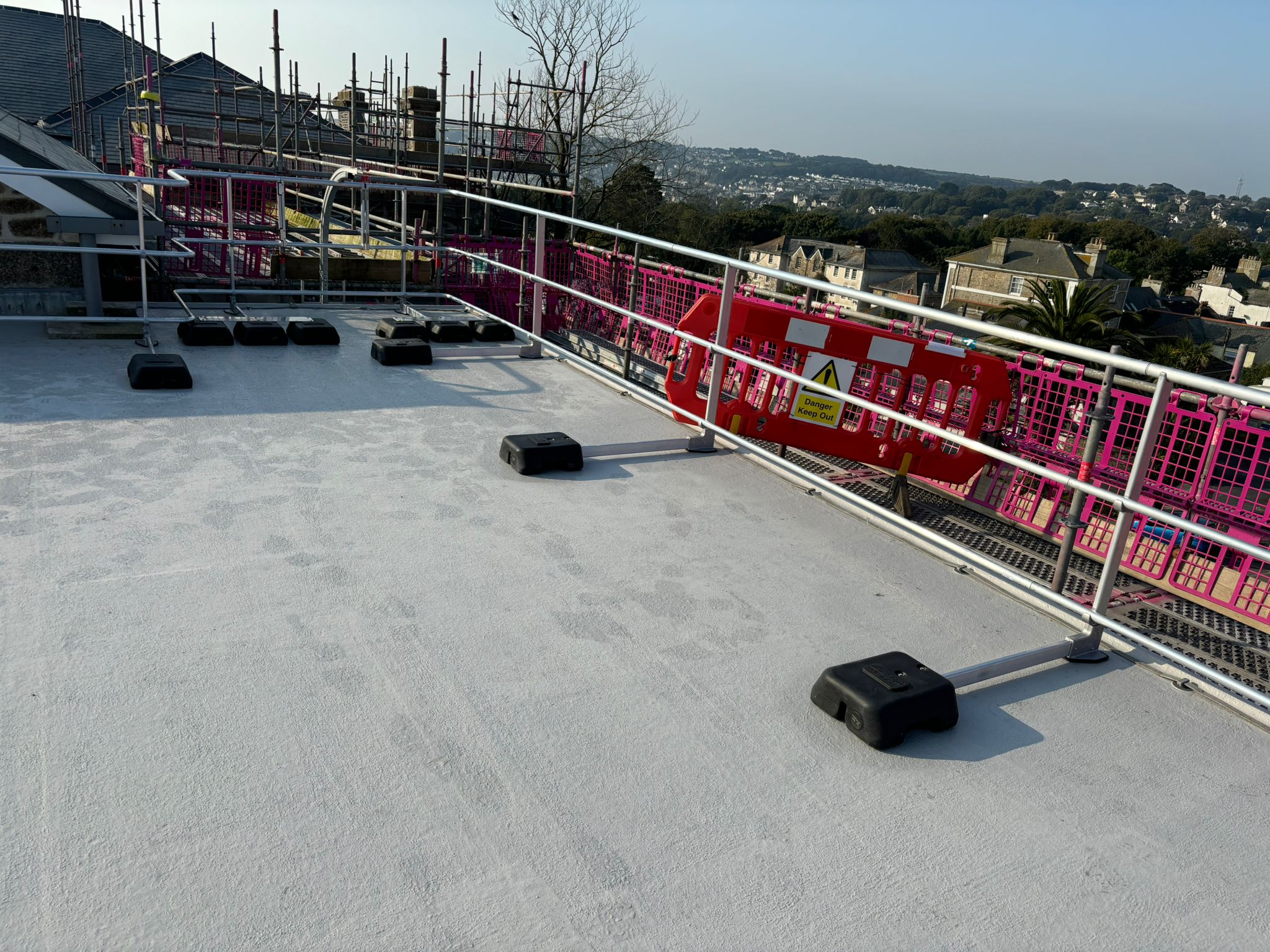
Before comparing them, it helps to be clear on what each system is. A guardrail is collective protection: a physical barrier around the edge of a roof or hazard that keeps everyone behind it, whether they are trained in height safety or not. It protects people passively, simply by being there.
Mansafe setups, by contrast, are personal fall protection. It is typically a horizontal lifeline, a stainless steel cable anchored along the roof, to which a worker clips their harness and lanyard. The mansafe system does not stop someone reaching the edge; it stops them hitting the ground if they fall, or, when set up for restraint, prevents them reaching the fall risk in the first place. Both approaches are legitimate and compliant when specified correctly, but they suit very different situations.
Where Guardrails Are The Right Choice
The hierarchy of control in the UK’s working at height regulations favours collective protection first, and for good reason. A guardrail protects everyone on the roof without relying on training, equipment or human behaviour. Nobody has to remember to clip on, and nobody can clip on wrongly. For roofs with frequent access, plant that needs regular servicing, or a mix of trained and untrained visitors, a permanent guardrail is often the safest and simplest answer.
The trade-offs are cost and appearance. Guardrails are a larger upfront investment and are visible from the ground, which can matter on a building where aesthetics or planning are a concern. Where a fixed barrier is not practical or proportionate, that is precisely where these kind of systems comes into their own.
Where A Mansafe System Is The Better Fit
mansafe setups shine where access is occasional rather than constant, and where a permanent barrier would be excessive or intrusive. Think of a roof visited a few times a year for maintenance, inspection or cleaning. A discreet lifeline lets trained, equipped workers carry out that work safely without ringing the entire perimeter in steel.
A mansafe setup is also far less visually obtrusive, which is a genuine advantage on listed buildings, sensitive sites, or anywhere a guardrail would be unwelcome. The essential caveat is that a mansafe implementation only works with trained users and the correct personal protective equipment; unlike a guardrail, it depends on the person using it properly. That is why any system must be professionally installed, and just as importantly, tested and recertified on a regular basis so you can trust it when it matters.
Mansafe System vs Guardrails: A Side By Side Comparison
Weighing the two against each other, the key differences become clear:
- Type of protection: guardrails are collective and protect everyone; a system is personal and protects the trained individual using it.
- Best for: guardrails suit frequent access; a system of mansafe setup suits occasional maintenance and inspection visits.
- Training needed: guardrails need none; man-safe implementations require trained users and the right harness and lanyard.
- Appearance: guardrails are visible from ground level; mansafe is far more discreet.
- Ongoing duties: both need inspection, but a mansafe implementation requires documented periodic testing and recertification to stay compliant.
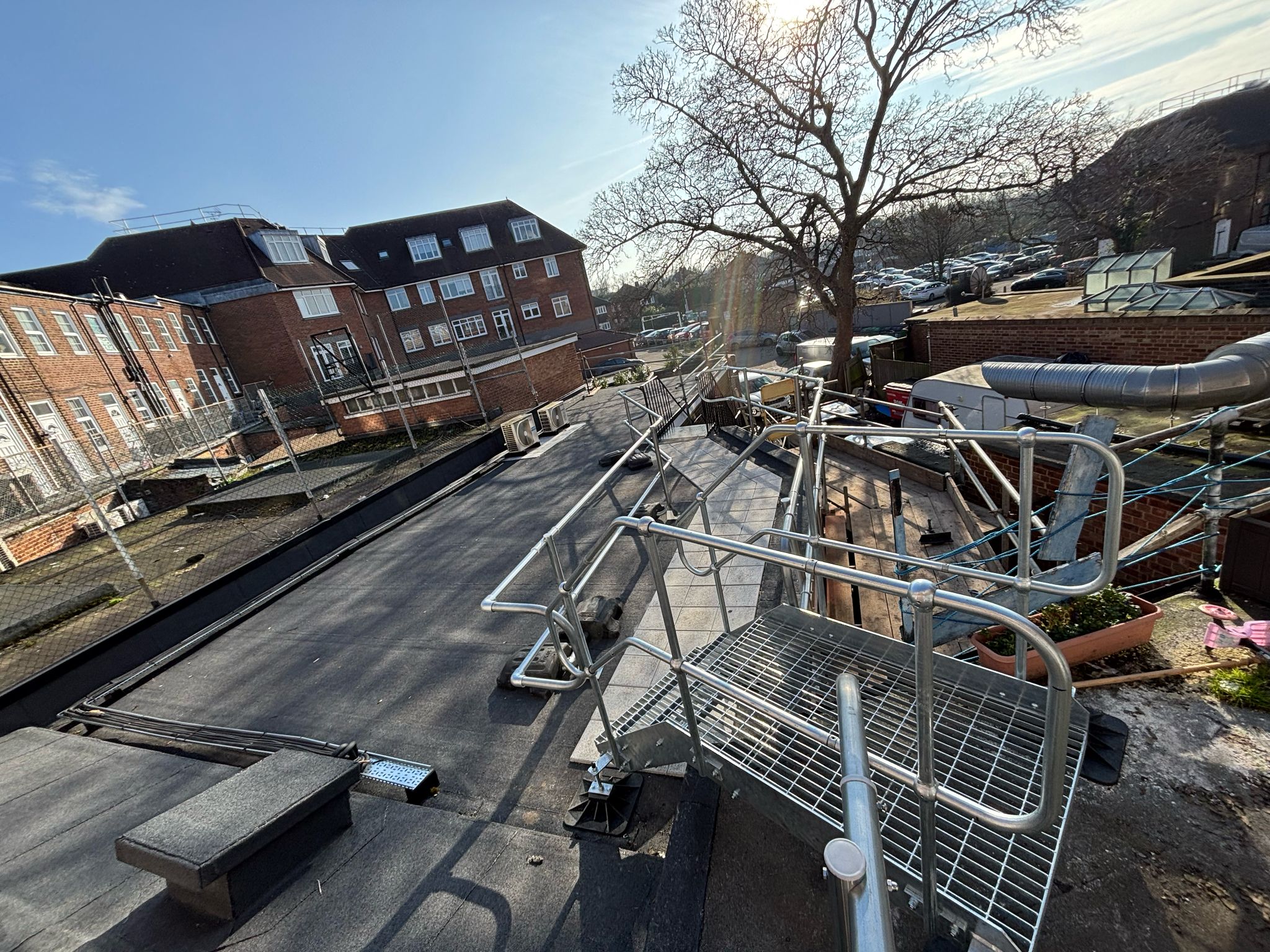
In practice, the right answer for many buildings is a combination: guardrails around high-traffic areas and a mansafe system covering the parts reached only occasionally. A proper site assessment is what tells you where that line falls.
Your Legal Duties, Whichever You Choose
Whatever system you install, the responsibility to keep it safe does not end at installation. Under the Work at Height Regulations, duty holders must ensure that fall protection is suitable, properly maintained and regularly inspected. For a mansafe system that means scheduled testing and recertification by a competent engineer, typically on an annual basis, with records kept to prove it. Guardrails need periodic inspection too, to confirm fixings and integrity have not deteriorated.
Skipping this is a false economy and a serious risk. An untested mansafe system is worse than no system at all, because it invites confidence it may not deserve. We say it to every client: a fall protection system is only as good as its last inspection, so build recertification into your maintenance calendar from day one.
Frequently Asked Questions About Roof Fall Protection
Is a mansafe installation or a guardrail safer?
Neither is inherently safer; they suit different situations. Guardrails protect everyone without training and suit frequent access, while a mansafe install suits occasional, trained access and is more discreet. A site assessment determines the best fit.
How often does a system need testing?
A mansafe system should be inspected and recertified by a competent person on a regular basis, typically annually, with documentation kept as proof of compliance. Usage and exposure can mean more frequent checks are advisable.
Can I have both guardrails and mansafe technology on one roof?
Yes, and it is often the ideal solution. Guardrails can protect high-traffic zones while a mansafe setup covers areas reached only occasionally, giving proportionate protection across the whole roof.
Do I need training to use these systems?
Yes. they rely on trained users wearing the correct harness and lanyard and clipping on properly. Working at height training is essential before anyone uses one.
Get Expert Advice From Elite Safety Solutions
Choosing between a mansafe system and guardrails is not a decision to make from a brochure; it depends on how your roof is used, how often, and by whom. The safest, most cost-effective outcome almost always starts with a professional assessment of your building and its risks, followed by a system designed, installed and certified to the correct standards.
Whether you need a new mansafe system, permanent guardrails, or a combination of both, our team can assess your site and specify exactly what keeps your people safe and your business compliant. Get in touch with Elite Safety Solutions today to arrange a survey and take the guesswork out of working at height.
You can find out more about our services at Elite Safety Solutions.
Share This Story, Choose Your Platform!
About the Author: Elite Safety Solutions