
Comprehensive mansafe safety solutions: An Elite Guide to Height Safety
Protecting lives at height is a multifaceted challenge that requires more than just a single piece of equipment. For modern businesses, achieving full compliance and worker safety means implementing comprehensive mansafe safety solutions that address every potential risk across a site. From the initial point of access at ground level to the complex navigation of a multi-level industrial roof, every step of the worker’s journey must be managed with precision. By adopting an all-encompassing approach to safety, property owners can ensure that they are not just ticking a box for a single hazard, but creating a cohesive environment where accidents are systematically prevented.
The strength of a total safety package lies in the integration of various specialised components. A site may require a permanent horizontal lifeline for perimeter maintenance, but that system is useless if the worker cannot reach it safely via a secure ladder or roof hatch. Furthermore, the installation of high-quality hardware is only half of the equation; ongoing maintenance and technical audits are required to keep the system in peak condition. When a business invests in comprehensive mansafe safety solutions, they are choosing a strategy that covers design, installation, and long-term certification, providing a turnkey answer to the complex demands of the Work at Height Regulations 2005.
In this guide, we will explore how various safety elements—such as access ladders, fall arrest tracks, and anchor points—work together to form a complete safety network. We will also examine the technical standards that define these systems and the importance of professional project management in delivering a safety infrastructure that is built to last.
Integrating Access and Fall Protection
A truly safe site begins with how a worker enters a high-risk area. It is often the transition from a ladder to a rooftop where the most significant risks occur. This is why comprehensive mansafe safety solutions frequently begin with the installation of Katt ladders or specialised vertical safety rails. These fixed access points provide a rigid and reliable path for the operative, ensuring they are protected from the very first step they take off the ground. By securing the entry point, you eliminate the need for temporary or shaky equipment that often leads to slips and falls.
Once the operative has reached the roof or platform, the focus shifts to lateral movement. This is typically managed through the use of horizontal safety lines or rigid fall arrest tracks. These systems allow for continuous attachment, meaning the worker never has to unclip their lanyard as they move around obstacles or navigate corners. This seamless protection is a hallmark of comprehensive mansafe safety solutions, as it removes the element of human error that occurs when a worker is forced to disconnect and reconnect their safety gear at various points across the roof.
For areas with overhead hazards or specialised industrial tasks, abseil posts and davit systems may be required. These allow for rope access, which is often the most efficient way to maintain building façades or clean high-level windows. By combining these various methods into a single managed safety plan, a building owner can provide safe access for every type of contractor, regardless of the specific task they are performing. This holistic view of the site is what separates a basic safety installation from a professional-grade safety infrastructure.
Technical Specifications and Building Integration
The components used in these wide-ranging safety systems are engineered to withstand extreme physical forces and environmental stress. For example, the horizontal lifelines used in comprehensive mansafe safety solutions are manufactured from Grade 316 stainless steel, which offers superior resistance to the corrosive effects of rain and sea air. These lines are equipped with sophisticated shock absorbers that deploy during a fall, significantly reducing the impact force transmitted to both the worker’s body and the building’s structural frame.
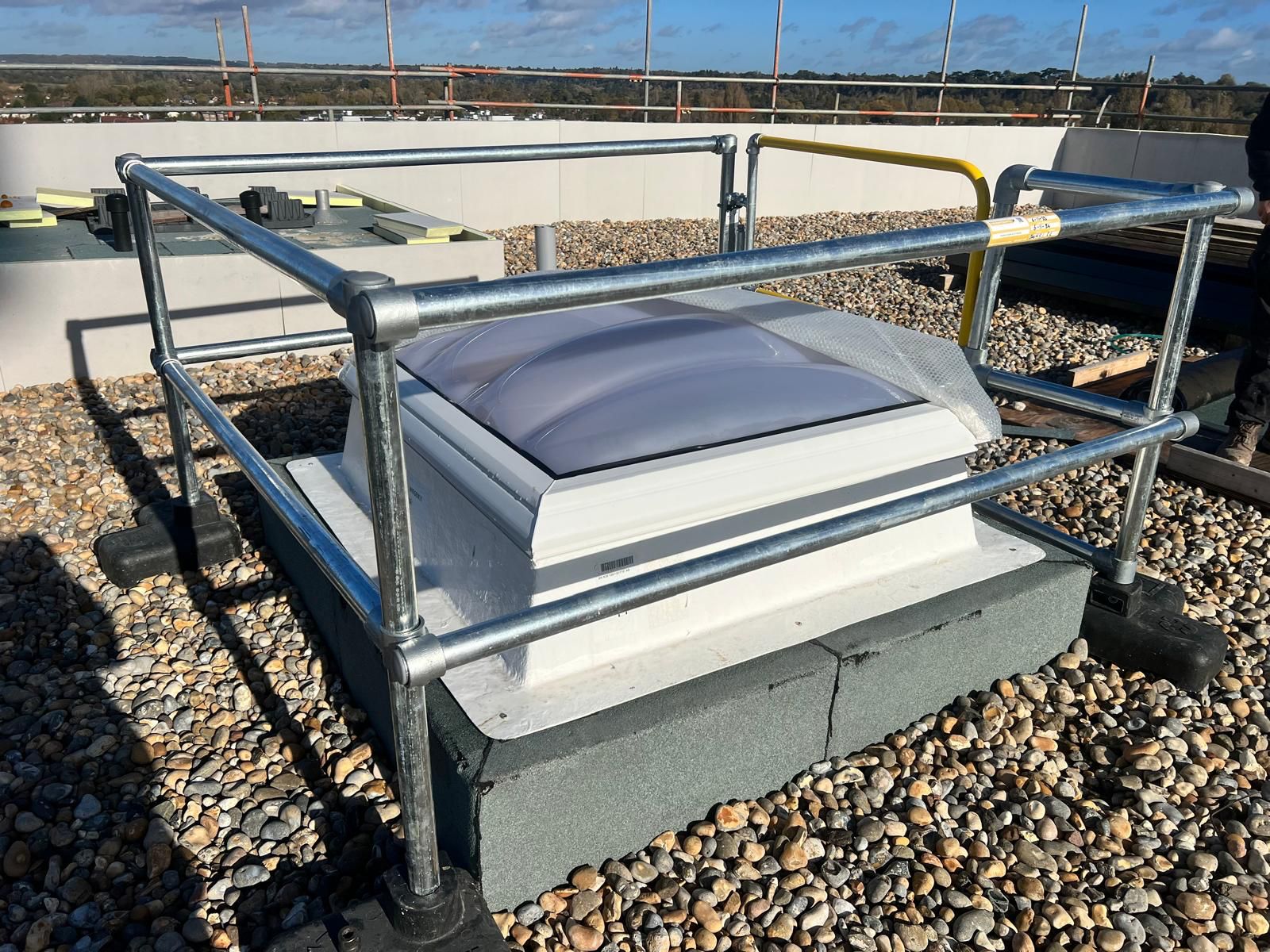
Building integration is another critical technical hurdle. A professional safety team must ensure that the installation of anchor points and Katt ladders does not compromise the building’s thermal envelope or waterproof membrane. On modern commercial roofs, this often involves using non-penetrating weighted bases or specialised clamps that fix directly to the seams of a metal roof deck. This level of technical care ensures that the building remains protected from leaks while the workers remain protected from falls, showcasing the elite standard of professional comprehensive mansafe safety solutions.
Every piece of equipment must also adhere to specific British and European standards. For instance, anchor devices must meet the requirements of BS EN 795, while fixed ladders must comply with BS 4211. When these individual components are brought together into a single system, they must also be designed and installed in accordance with BS 7883. This rigorous adherence to technical standards ensures that every part of the safety network is tested, verified, and guaranteed to perform when it matters most.
Project Management and Bespoke Design
No two buildings are the same, and therefore, there is no standard safety solution. A warehouse in an industrial park presents entirely different challenges than a historic town hall or a modern glass-fronted office block. The core of comprehensive mansafe safety solutions is a bespoke design process that begins with a detailed site survey. This survey maps out every hazard, including fragile roof lights, changes in elevation, and proximity to public spaces. Only after this assessment can a tailored safety plan be developed that addresses the specific needs of the property.
Effective project management is essential when installing these large-scale systems. The installation team must coordinate with building managers to ensure that work is carried out with minimal disruption to the daily operations of the site. This often involves working during off-peak hours or using specialised access equipment like cherry pickers and PASMA-certified towers. A professional approach to comprehensive mansafe safety solutions means that the installation is handled with the same level of care and precision as the safety hardware itself.
Furthermore, a bespoke design allows for a more aesthetically pleasing installation. For buildings where the architectural look is important, safety systems can be designed to be low-profile or even retractable. This ensures that the building remains safe for maintenance without sacrificing its visual appeal. By thinking creatively during the design phase, safety experts can provide protection that is both effective and invisible to the casual observer, further highlighting the value of a comprehensive, expert-led approach.
The Importance of Training and Competence
Even the most advanced safety hardware is only effective if the people using it are properly trained. As part of comprehensive mansafe safety solutions, it is vital that operatives are educated on the specific systems they will be using. This includes understanding how to perform a pre-use check on their PPE, how to correctly attach themselves to a horizontal line, and what to do in the event of an emergency. Providing this knowledge is just as important as providing the anchors and cables themselves.
Competence also extends to the people responsible for managing the safety systems on a day-to-day basis. Site managers must understand their legal obligations and know when a system is due for its annual recertification. A professional safety partner will provide the necessary documentation and guidance to help these managers stay compliant. This educational aspect of comprehensive mansafe safety solutions builds a culture of safety within a business, where every level of the organisation understands the importance of height safety and works together to maintain it.
Regular training sessions and toolbox talks are excellent ways to keep safety at the forefront of workers’ minds. These sessions can cover new safety regulations, updates to equipment, and best practices for working in different weather conditions. By fostering this ongoing environment of learning and awareness, a business can significantly reduce the likelihood of accidents and ensure that their investment in safety equipment continues to yield dividends in the form of a healthy and productive workforce.
Long-Term Maintenance and System Longevity
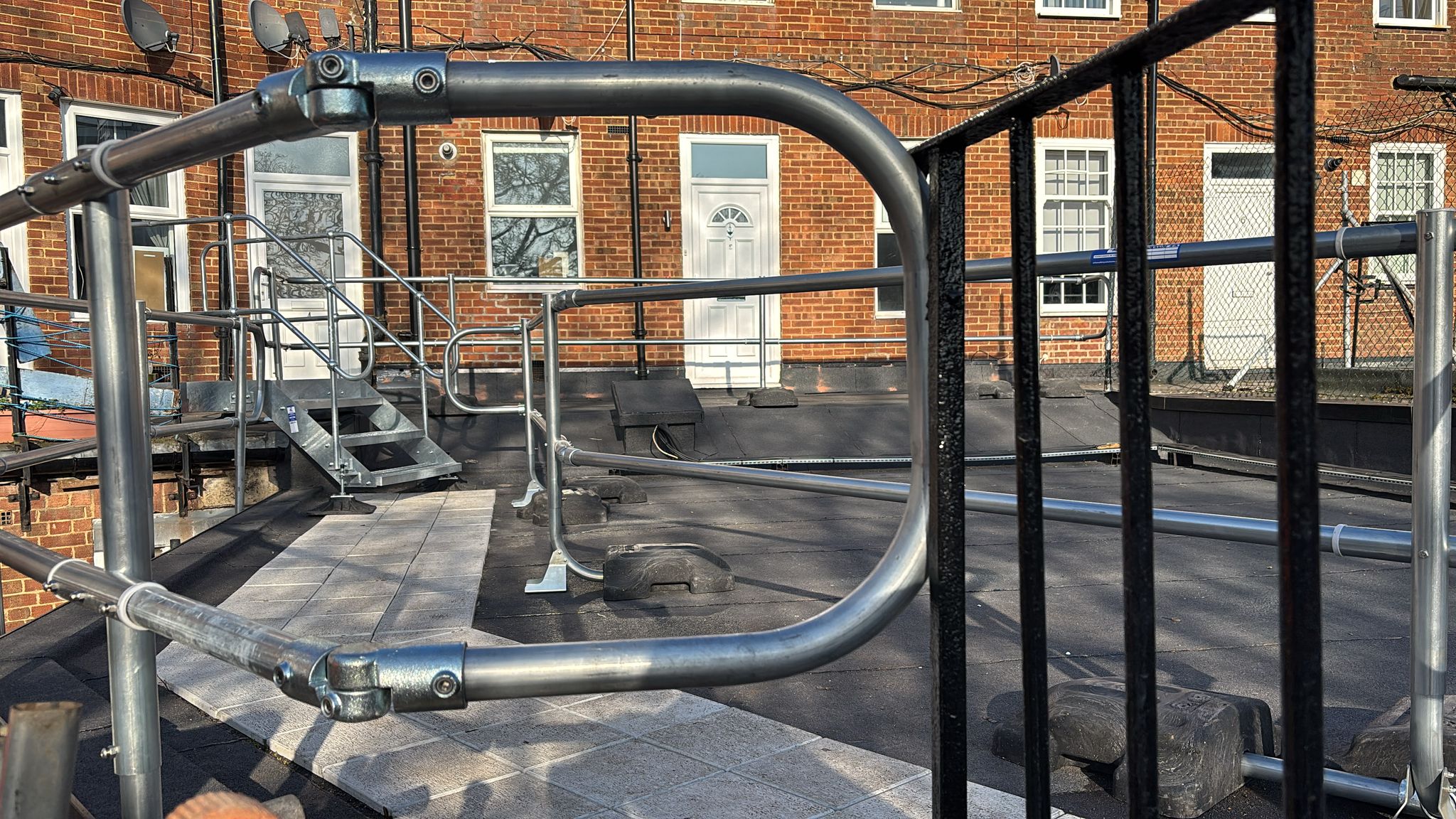
The final piece of the safety puzzle is the ongoing maintenance and recertification of the installed systems. Over time, components can become loose due to building vibration, or they may suffer from hidden corrosion if water becomes trapped in the fixings. Professional comprehensive mansafe safety solutions include a planned maintenance programme that ensures every part of the system is inspected by a competent person at least once every twelve months. This is not just a legal requirement; it is a vital part of protecting the long-term value of the safety infrastructure.
During these annual checks, technicians will perform pull-tests on anchor points, check the tension of cable systems, and inspect ladders for any signs of structural damage. They will also verify that all signage is in place and that the entry points remain secure. If any issues are found, they can be addressed quickly before they develop into serious safety hazards. This proactive approach to maintenance ensures that the comprehensive mansafe safety solutions remain elite throughout their entire lifespan, providing decades of reliable protection.
Detailed record-keeping is a key part of this maintenance process. Every inspection and repair should be logged in the building’s health and safety file, providing a clear audit trail of the work done. This documentation is essential for insurance purposes and for proving compliance during an HSE inspection. By maintaining this high level of detail, a building owner can demonstrate their total commitment to safety and ensure that their property remains a safe and compliant place to work for many years to reach.
Frequently asked questions about comprehensive mansafe safety solutions
What does mansafe actually mean in the context of safety services?
In the UK safety industry, mansafe refers to a range of fall protection and height safety systems designed to keep people safe while working at height. This includes cable-based lifelines, anchor points, and other engineered solutions that prevent falls or catch workers if a fall occurs.
Can a single safety system cover all types of roof work?
While one system like a horizontal lifeline can cover many tasks, truly comprehensive mansafe safety solutions often involve multiple components. For example, you might need a walkway for fragile areas, a ladder for access, and a wire system for perimeter work to ensure everyone on the roof is protected at all times.
How often should a large-scale safety installation be certified?
Under UK law and British Standards, all fall protection systems must be inspected and certified at least once every twelve months. For systems that are used very frequently or are in particularly harsh environments, more frequent inspections may be recommended to ensure continued safety.
Do I need to train my staff if I have a professional safety system installed?
Yes. The Work at Height Regulations state that anyone working at height must be competent. This means they must have the training and knowledge to use the specific comprehensive mansafe safety solutions installed on your site correctly and safely.
Is it possible to retrofit mansafe systems to older buildings?
Absolutely. Modern safety hardware is designed to be highly modular and can be adapted for almost any structure, including heritage buildings and older industrial units. A bespoke design process will ensure that the system is fixed securely to the building’s existing structural elements without causing damage.
Share This Story, Choose Your Platform!
About the Author: Elite Safety Solutions